Cold Coffee
How to Brew Iced Coffee That Does Not Taste Diluted
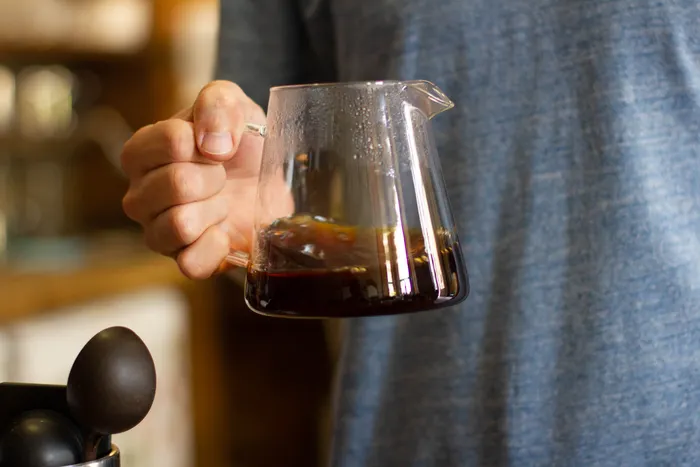
Iced coffee often tastes weak because a normal hot recipe is poured over a large amount of melting ice without accounting for that water. The solution is not simply to add more grounds by instinct. Treat the ice as part of the brewing water, and design the recipe so hot coffee extracts normally before it is chilled.
One dependable approach is flash brewing. Place a measured amount of ice in the serving carafe, then brew hot coffee directly over it using less hot water than the usual recipe. The coffee dose stays appropriate for the total combined weight of hot water and ice. For example, if the normal recipe uses a fixed total water amount, allocate part of that amount to ice and the rest to brewing water.
Do not reduce hot water so far that the grounds cannot extract evenly. A pour-over bed still needs enough water for complete saturation and controlled drawdown. Many recipes use roughly one-third to one-half of total water as ice, but brewer geometry, roast, and preference vary. Begin with a tested ratio for the method, record it, and adjust taste in later batches.
Use ice made from clean-tasting water. Place it in a heat-safe vessel capable of rapid temperature change. Ordinary glass can crack when hot liquid meets cold surfaces, so use the carafe specified for the brewer or another appropriate container. Swirl gently after brewing until most ice has melted and the beverage temperature is even.
For an automatic drip maker, brew a somewhat stronger batch and chill it in a suitable covered container before serving over ice. Do not place a hot, incompatible carafe directly into a refrigerator or freezer. Follow appliance guidance, cool safely, and avoid leaving brewed coffee at room temperature for extended periods. Alternatively, use a machine procedure specifically designed for brewing over ice.
Taste before adding milk or sweetener. If the coffee is sour or hollow, the reduced hot-water phase may have under-extracted it; grind finer, use hotter water, or adjust the ice allocation. If it is harsh, try coarser grinding or a gentler extraction. If it tastes balanced before ice but weak afterward, increase concentration while preserving adequate brew water.
Coffee ice cubes made from leftover brewed coffee can limit dilution, but store them covered so they do not absorb freezer odors. Use them within a reasonable period and clean the tray. They add coffee strength as they melt, which may or may not suit a carefully balanced recipe.
Iced coffee becomes repeatable when water is counted in both forms. Measure coffee, hot water, and ice; use a safe vessel; and change one variable at a time. The result should taste intentionally chilled rather than like a forgotten hot cup rescued with ice.
For make-ahead service, write down both brewing and serving dilution. A balanced flash brew can become weak when additional ice is added to every glass, while a refrigerated stronger batch may need a measured water addition. Test the finished drink in the actual cup size. Garnishes and syrups are optional, but their water and sweetness also change how strength is perceived.