Brewing Methods
How to Use a Compact Immersion-Pressure Brewer
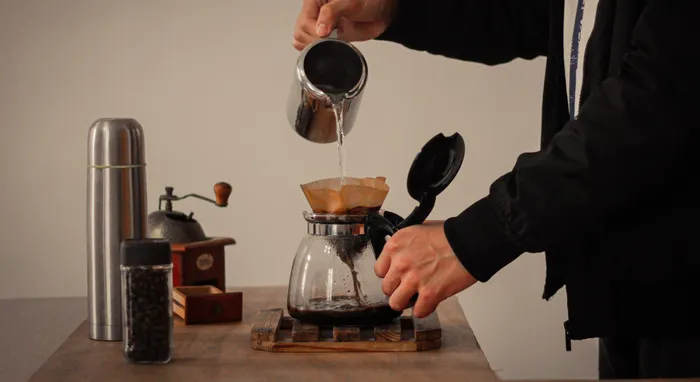
Compact brewers that combine immersion with gentle manual pressure are popular because they are fast, portable, and adaptable. Coffee steeps inside a chamber, then passes through a paper or metal filter when the user presses a plunger. Specific designs differ, so the manufacturer's assembly and safety instructions take priority over any general recipe.
Begin with all components clean and correctly seated. Confirm the filter holder is locked as designed and place the brewer on a wide, stable mug capable of handling heat and downward pressure. Thin glass, a narrow cup, or an unstable surface can fail. Never press toward another person, and stop if the assembly shifts or resistance becomes excessive.
Use a medium-fine grind as a starting point and measure coffee and water. These brewers can make a regular-strength cup or a smaller concentrate that is diluted afterward. Decide which result is intended before brewing. A concentrated recipe is not automatically espresso; it uses a different pressure and extraction system.
Add water at a repeatable temperature and stir gently for consistent saturation. Insert the plunger according to the design and steep for the chosen interval. Short brews may benefit from a finer grind and adequate agitation, while longer immersion may need a coarser setting. Avoid filling beyond marked capacity or using methods that conflict with the manufacturer's directions.
Press slowly and steadily. The process should take controlled effort rather than body weight. Hissing near the end often indicates that most liquid has passed through; forcing the remaining compressed grounds can increase mess and risk. Remove the brewer carefully, set it on a heat-safe surface, and dilute the beverage if that was part of the recipe.
Taste provides the adjustment. A sour, thin cup may need finer grinding, more contact time, more agitation, or hotter water. A harsh, dry cup may benefit from the opposite. Because several variables can change easily in this method, write down one baseline and alter only one item for the next brew. Filter material also changes body: paper captures more fine particles and oils, while metal usually allows more texture into the cup.
The inverted technique shown in some online recipes places hot liquid near an unsecured opening and can spill when the brewer is turned. Use only orientations explicitly supported by the manufacturer and maintain a stable setup. Portability does not reduce the need for hot-water safety.
After brewing, eject cooled grounds into an appropriate waste or compost stream and rinse every coffee-contact surface. Periodically remove and clean seals as instructed, checking for wear. A compact immersion-pressure brewer becomes genuinely convenient when one safe recipe is mastered before experimenting with concentrated, iced, or longer-steep variations.
Carefully portion the travel brewer's coffee before adding water and keep the chamber markings visible. When making several cups, rinse and reset every component between brews rather than stacking fresh grounds on a compressed puck. A repeatable station—brewer, stable mug, scale, timer, and discard dish—also prevents the filter cap or scoop from being misplaced while hot water is present.