Coffee Selection
Creating a House Coffee Blend in Small Test Batches
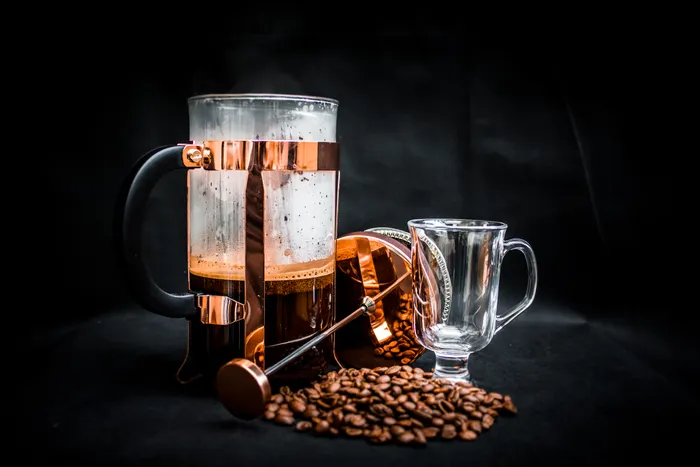
Blending coffee at home can combine complementary flavors or make use of two bags that taste incomplete on their own. It can also waste coffee when large quantities are mixed before the proportions are tested. Small brewed trials allow the household to design a blend without committing the entire supply.
Begin with two coffees that have a clear reason to meet. One might provide chocolate-like body while another adds fruit or aroma. Combining two similar coffees may create little noticeable change, while mixing radically different roasts can produce uneven grinding and extraction. Start with compatible roast levels and a simple goal such as “more body without losing brightness.”
Brew each coffee separately with a recipe that tastes reasonably balanced. Combine the finished liquids in measured proportions such as equal parts, then try alternatives with more of one component. This “blend after brewing” method isolates flavor contribution without grind behavior confusing the first test. Label cups and taste them warm and cooler.
Once a preferred liquid blend emerges, mix a small quantity of whole beans in the same proportion and brew it together. Weigh each component rather than counting beans or estimating volume. Observe whether the mixed beans grind consistently and whether brew time changes. Different densities and sizes can produce another particle distribution, so the combined brew may need a modest grind adjustment.
Do not pour entire bags together yet. Repeat the small test on another day and with the method used most often. A blend that works as drip coffee may behave differently as espresso or French press. Record component names, proportions, grind, ratio, and tasting notes. Coffee changes with age, so the recipe may shift as bags develop.
Keep components identifiable and traceable. If one coffee has an allergen-related added flavoring or another special handling concern, preserve its label and inform anyone served. Do not blend stale, rancid, or contaminated coffee in hopes that a fresh component will hide it. Quality problems remain in the mixture.
Consider use and supply. A house blend based on a limited seasonal coffee cannot be reproduced indefinitely. Decide whether the goal is a one-time enjoyable combination or a general pattern, such as a medium chocolate-noted base with a smaller bright component. The pattern can guide future purchases without pretending different coffees are interchangeable.
Store the finished blend like other beans in an opaque, tightly closed container and label the mixing date and proportions. Make only an amount that will be used promptly. Clean the container before changing recipes so old oils do not affect the result.
Home blending is most successful as structured tasting. Separate brews reveal the role of each coffee, measured liquid trials identify a proportion, and a small whole-bean test confirms brewing behavior. That progression creates a personal blend through evidence rather than a random jar of leftovers.
Invite another household member to taste the trials without revealing the proportions. A simple blind preference can prevent the blend maker from favoring the most complicated recipe. Record both opinions and repeat the winner. If the result depends on milk or another addition, conduct the final comparison in that intended drink rather than only tasting it black.