Brewing for Real Life
Building a Simple Travel Coffee Kit
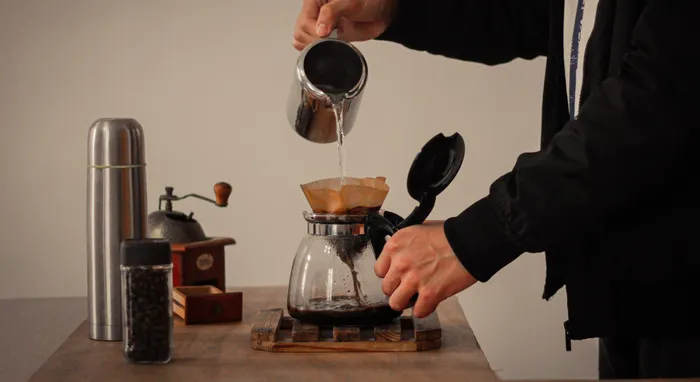
A travel coffee kit should solve the problems likely at the destination without becoming another heavy bag of fragile equipment. The core needs are a brewing device, coffee, a way to measure, safe hot water, a drinking vessel, and a method for cleanup. Everything else should justify its space.
Choose a compact brewer that is durable and familiar. A small immersion-pressure device, collapsible dripper, sturdy cone, or travel French press can work. Confirm that filters and replacement parts are easy to pack. Test the complete kit at home using the same cup and kettle arrangement planned for travel; a device that fits the suitcase may not fit the hotel mug.
Decide how coffee will be ground. A compact hand grinder provides freshness and adjustment but adds weight and requires effort. Preground coffee portioned shortly before travel is simpler. Use sealed bags or small airtight containers labeled with dose and method. Do not transport loose grounds where they can contaminate clothing or electronics.
A scale improves repeatability but is optional for a short trip. Pre-weighed coffee packets and a marked brewer or cup can replace it. If bringing a scale, protect it from impact and remove batteries when transport rules or manufacturer guidance require. Never assume an electrical appliance is compatible with another country's voltage, outlets, or safety standards.
Hot water is the main uncertainty. Use a destination kettle or approved appliance and inspect it before use. Do not heat water in plastic, decorative glass, or an immersion device not intended for beverages. Hotel coffee makers may contain residue; clean removable parts where permitted or use them only to heat water if the design safely supports that use.
Pack a stable heat-safe cup, a small towel, and a leak-resistant container for wet filters or grounds until they can be discarded. Grounds do not belong in a sink drain. Follow local waste and compost rules. A brush or a small amount of unscented approved cleaner can help on longer trips, but all equipment should be rinsed and dried before returning to luggage.
Account for water differences. If destination tap water is safe but tastes strongly unfamiliar, use an appropriate filtered or bottled drinking water without assuming a specific brand. Keep the recipe stable during the first brew, then adjust grind if flow and flavor differ. Elevation can change boiling behavior, which may influence extraction.
Avoid packing an entire home coffee bar. One coffee, one method, one written ratio, and one backup option such as quality instant coffee cover most situations. Carry beans and devices in compliance with transportation, customs, lodging, and workplace rules.
After each trip, remove all grounds, wash the kit, inspect seals, replenish filters, and store it together. A travel kit is successful when it produces a familiar cup safely with minimal decisions, not when it recreates every possible home method.
Create a packing checklist and keep it inside the dry kit: brewer, filters, coffee portions, grinder if used, scale or measure, cup, cleanup bag, and towel. Add destination-specific power or water needs before each trip. The checklist prevents replacing forgotten items with unsafe improvised vessels and makes repacking on departure much faster.