Buying and Storage
How to Store Coffee Beans Without Complicating Your Kitchen
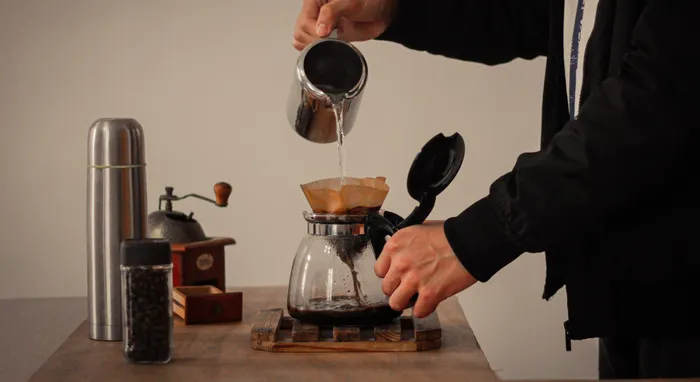
Coffee storage is a matter of slowing exposure to air, moisture, heat, light, and strong odors. No container stops coffee from changing indefinitely, and expensive storage systems cannot compensate for buying far more than a household can use. A small, consistent setup is usually enough.
Keep everyday beans in an opaque, tightly closing container in a cool, dry cabinet. A dedicated coffee container prevents the beans from absorbing pantry odors and protects them from sunlight. Avoid the cabinet above an oven, a windowsill, or a location beside a dishwasher that becomes warm and humid. The original resealable bag can work when it closes well and is rolled to reduce excess air.
Do not routinely refrigerate an opened bag. Refrigerators contain moisture and food odors, and repeated removal can create condensation. Freezing is more useful for longer storage when coffee is divided into small, airtight portions that will be thawed once. Remove one sealed portion, let it approach room temperature before opening, and keep it out rather than repeatedly returning it to the freezer.
If the grinder can handle frozen beans according to its manufacturer, some brewers grind a portion directly from frozen. Others prefer full thawing. The important safety point is to keep water and condensation away from electrical equipment and grinder mechanisms. Never improvise a process that conflicts with appliance instructions.
Store whole beans when possible and grind immediately before brewing. Preground coffee has more exposed surface and changes faster, but it should be handled with the same basic protections rather than discarded on principle. Buy smaller packages, press excess air from the bag, and close it immediately after measuring. A repeatable preground recipe can still be better than poorly managed whole beans.
Label containers when using multiple coffees. Record the roast or purchase information provided, the date opened, and the coffee name. Do not combine the last beans from unrelated bags unless intentionally creating a blend; different sizes and densities can grind unevenly, and the mixed flavor becomes hard to reproduce. Use older coffee first when it still smells and tastes acceptable.
Clean the storage container between coffees. Oils and fine particles left in corners can become stale and affect a fresh batch. Follow the container's washing instructions and allow it to dry completely before refilling. A damp container is worse than a less sophisticated dry one.
Buy according to actual consumption. Track how long a normal bag lasts, then choose a size that avoids prolonged storage. If coffee loses aroma over time, adjust the brew slightly rather than declaring it unusable on an arbitrary date. Simple storage supports good brewing by keeping beans predictable: close them promptly, protect them from the kitchen environment, portion true surplus, and keep the container clean.
Avoid clear display jars on an open counter unless they are kept away from light and heat and the coffee is used very quickly. Appearance is not worth a less stable environment. Keep only the working portion accessible and leave backup portions sealed. A small scoop stored outside the beans also prevents a handle touched by damp hands from introducing moisture.