Brewing Methods
Getting Better Results from an Automatic Drip Coffee Maker
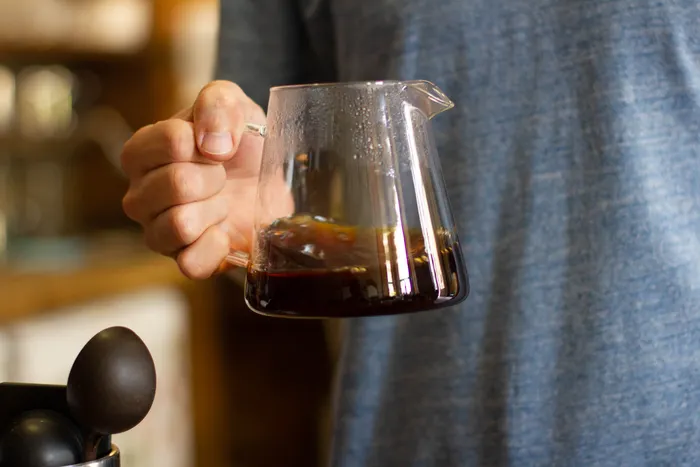
An automatic drip brewer can make consistent coffee when its water path is clean, the dose matches the batch, and the grounds receive water evenly. Many disappointing pots come from stale residue, an unsuitable grind, or a batch too small or large for the machine rather than from a lack of advanced controls.
Start with the manufacturer's instructions and safe capacity. Confirm that the basket, carafe, lid, shower area, and any removable water parts are correctly seated. Use the recommended filter shape and do not exceed the coffee or water limits. A folded filter, blocked outlet, or overfilled basket can cause overflow and grounds in the carafe.
Measure coffee and water consistently. A scale provides the clearest ratio, but a repeatable level scoop and marked reservoir can work. Remember that numbered “cups” on a machine may not equal the household mug size. Brew once, measure the actual output, and write down the recipe that fills the intended vessel without exceeding capacity.
Use a medium starting grind, then observe the bed and taste. If water races through and the coffee tastes thin or sharply sour, grind somewhat finer. If the basket drains slowly, threatens to overflow, or produces a harsh and drying cup, grind coarser. Change only one step at a time. Very small batches sometimes brew less evenly because the machine was designed around a larger operating range.
Level the grounds gently in the filter. Do not pack them down. The spray pattern should wet the bed broadly, although machine designs vary. If a removable spray component is visibly clogged, clean it according to the manual. Avoid opening or reaching into a hot operating brewer. Some people stir the grounds during brewing, but that can create spills and is unnecessary when the machine distributes water properly.
Use clean-tasting water and brew into a clean carafe. Old coffee oils create stale bitterness that no bean can overcome. Wash removable parts after use with materials permitted by the manufacturer, and allow them to dry. Descale on a schedule appropriate to the water and machine instructions. Vinegar is not approved for every appliance and may leave odor or affect components, so use only a recommended process.
Serve the coffee reasonably soon. A hot plate continues heating the brewed liquid and can flatten or intensify flavors over time. A clean insulated carafe maintains temperature without cooking the coffee, if compatible with the system. Do not place a carafe on an incompatible heat source.
When troubleshooting, separate machine behavior from recipe. Confirm normal flow and cleanliness first, then adjust grind, ratio, and water. A well-maintained basic brewer with a written recipe can outperform a neglected complicated one because it removes guesswork from every pot.
Use a short preflight check before pressing Start: carafe present, basket seated, filter open, water measured, and reservoir lid closed. This catches the errors that create most countertop messes. If coffee is prepared on a timer, follow the manual and verify the setup before bed. Never allow a convenience feature to bypass normal capacity, cleanliness, or electrical-safety checks.