Coffee Fundamentals
How Water Quality and Temperature Affect Coffee
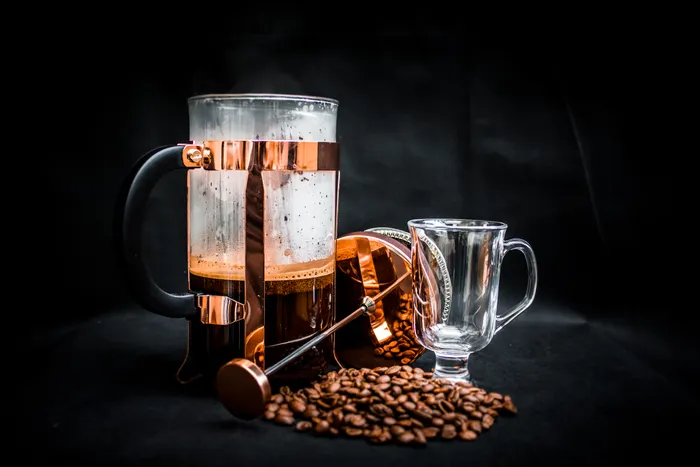
Brewed coffee is mostly water, so unpleasant tap-water flavors and unsuitable mineral content can appear clearly in the cup. Temperature also changes how quickly compounds dissolve from the grounds. Neither issue requires laboratory testing before someone can improve a morning brew, but both deserve more attention than many equipment upgrades.
Taste the water by itself at room temperature. If it has a strong chlorine odor, metallic note, sulfur smell, or other objectionable flavor, coffee will not hide it reliably. A filter certified for the relevant local concern may improve taste when used and replaced according to its instructions. Bottled water is not automatically better, and distilled or heavily purified water can produce flat extraction when it lacks useful minerals. Local water reports can provide context for persistent concerns.
Minerals influence extraction and scale. Moderately mineralized water can support flavor, while very hard water may build deposits inside kettles and brewers. Extremely soft water behaves differently and may taste less structured. Home brewers do not need to formulate water from chemicals unless they deliberately enter an advanced hobby. Start with safe drinking water that tastes clean, then compare a properly filtered option under the same recipe.
For most hot methods, water near but below a full boil is a practical starting point. Exact preferred temperature depends on roast, method, and taste. Darker roasts often extract readily and may taste harsh with very hot water, while lighter roasts can need more heat or contact to develop. At high elevations, water boils at a lower temperature, so waiting for an arbitrary number after boiling may be counterproductive.
Without a thermometer, bring fresh water to a boil, remove it from heat briefly, and brew consistently after the same short pause. The goal is repeatability. Do not add cold water by guesswork from one cup to another. If coffee tastes underdeveloped while grind and time appear reasonable, use hotter water. If it tastes harsh with a darker roast, try a modestly cooler brew before changing several other variables.
Preheating reduces temperature loss. Rinse a paper filter and warm the brewer and serving vessel with hot water, then discard that water safely. A cold ceramic dripper or large carafe can absorb significant heat from a small batch. Handle hot equipment carefully, keep vessels stable, and follow manufacturer temperature limits; ordinary glass not designed for brewing can crack.
Use fresh water for each brew rather than repeatedly boiling what remains in a kettle. Clean and descale equipment according to its instructions, because buildup affects flow and heating. If the machine no longer reaches normal brewing behavior, maintenance may matter more than recipe changes.
Water decisions should simplify brewing. Choose safe water that tastes neutral, use one consistent heating routine, and adjust temperature only after the ratio and grind are stable. A side-by-side comparison often reveals more than a specification sheet.
Run a simple water comparison only when it answers a problem. Brew two small batches with identical coffee and technique, using the normal safe tap water for one and an appropriate filtered drinking water for the other. Taste them at the same temperature. If the difference is negligible, keep the simpler source. If it is clear, record filter type and replacement schedule so the improvement remains repeatable.